WU Joins Forces with OPS and Community Partners to Advance “Heart Waves, Volunteer Hearts,” Bringing Science into Sustainable Heart Health Promotion

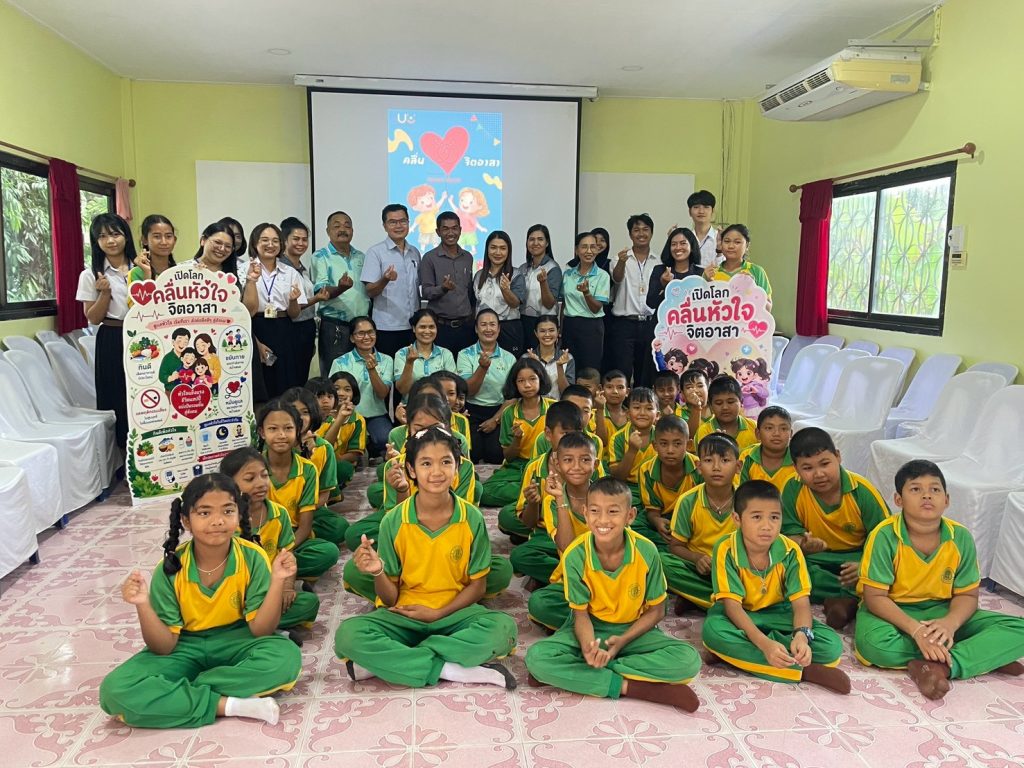
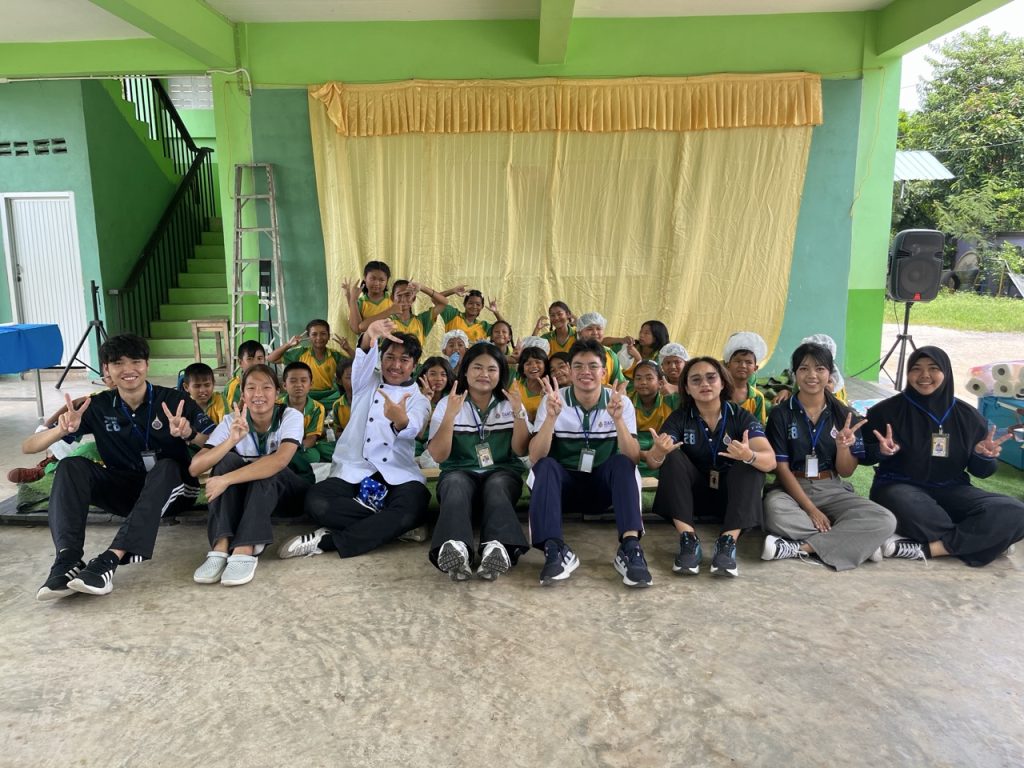
Walailak University (WU), in collaboration with the Office of the Permanent Secretary (OPS), Wat Cha-uat School, and Ban Cha-uat Subdistrict Health Promoting Hospital, is advancing the “Heart Waves, Volunteer Hearts: Learning Science for Community Heart Health” project. The initiative provides WU students with opportunities to translate classroom knowledge into academic service by sharing knowledge of cardiovascular science, nutrition, and lifesaving skills with young learners, while encouraging the transfer of this knowledge to families and the wider community. The project contributes to the Sustainable Development Goals (SDGs), particularly SDG 3, SDG 4, and SDG 17.

Walailak University, in partnership with the Office of the Permanent Secretary, Ministry of Higher Education, Science, Research and Innovation (OPS), Wat Cha-uat School, and Ban Cha-uat Subdistrict Health Promoting Hospital, is implementing the “Heart Waves, Volunteer Hearts: Learning Science for Community Heart Health” project. The initiative aims to enhance young learners’ understanding of cardiovascular physiology, nutrition, and health promotion while developing WU students’ ability to apply scientific knowledge through academic and community service. The project emphasizes experiential learning and volunteerism as key mechanisms for connecting university education with society.

The project is integrated into the course Innovation for Science Teaching and Learning and is conducted under the Youth Volunteer Project for Fiscal Year 2026, supported by the Office of the Permanent Secretary, Ministry of Higher Education, Science, Research and Innovation, under the relevant Memorandum of Understanding involving Walailak University. Students from WU’s School of Medicine and School of Science work collaboratively to design, plan, and implement learning activities that communicate scientific and health knowledge to young learners and the community.

A major objective of the project is to encourage university students to apply the knowledge and skills acquired in the classroom to the design of learning activities related to health promotion and the prevention of cardiovascular diseases. Through service learning, the students gain authentic experience in working with communities while developing social responsibility, teamwork, communication skills, and a spirit of volunteerism. At the same time, participating school students acquire knowledge and practical skills that can be applied to caring for their own health and that of their families and people around them.

The target group comprises 30 students in Grades 4–6 from Wat Cha-uat School. The project consists of four community-based learning sessions, three of which have already been completed.

Session 1: Exploring the Science of the Heart and Blood Vessels

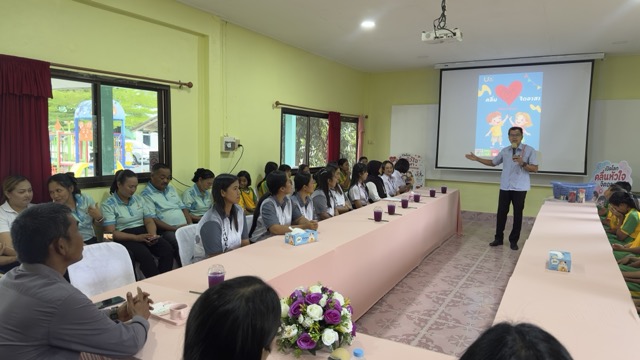
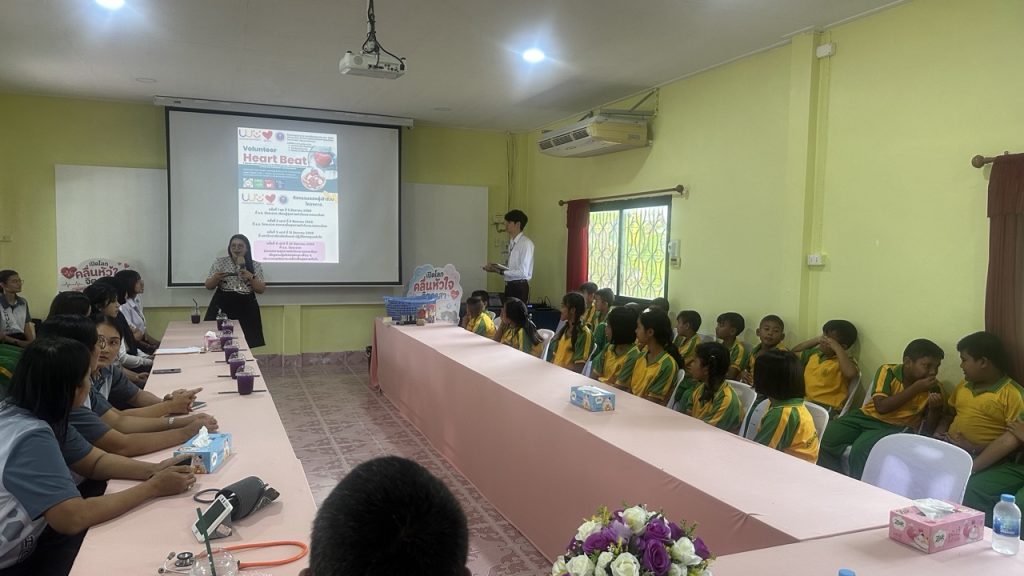
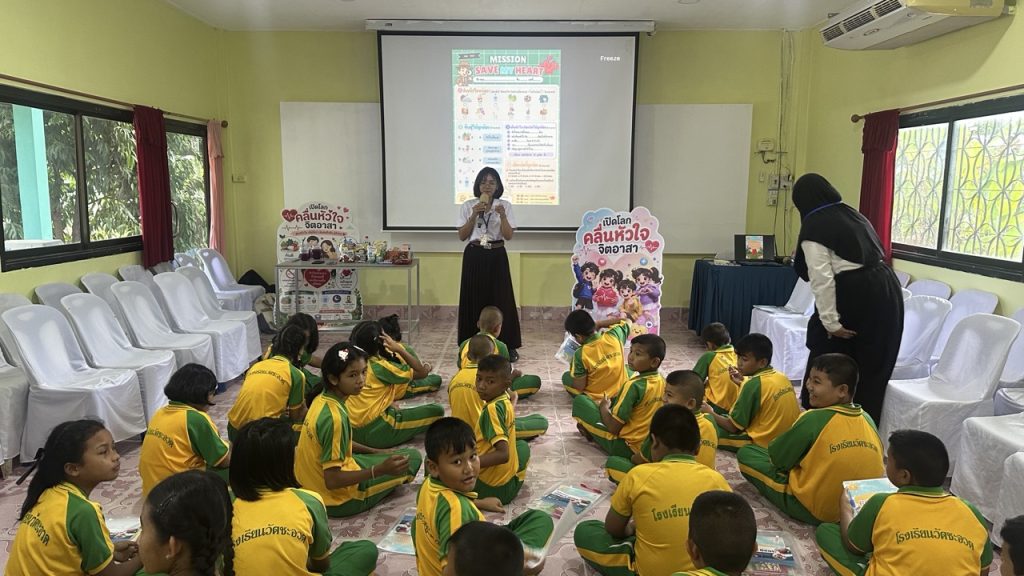
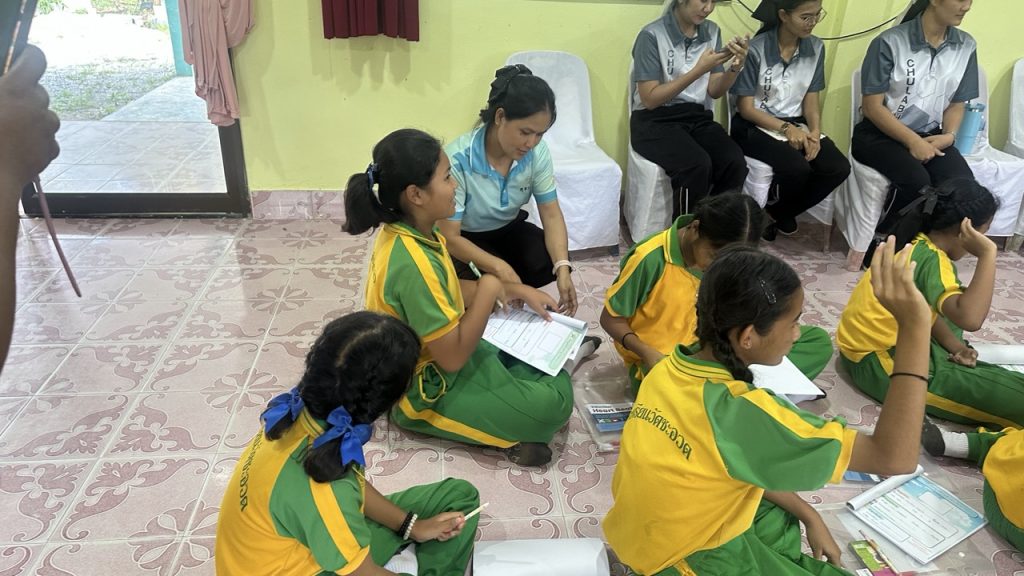
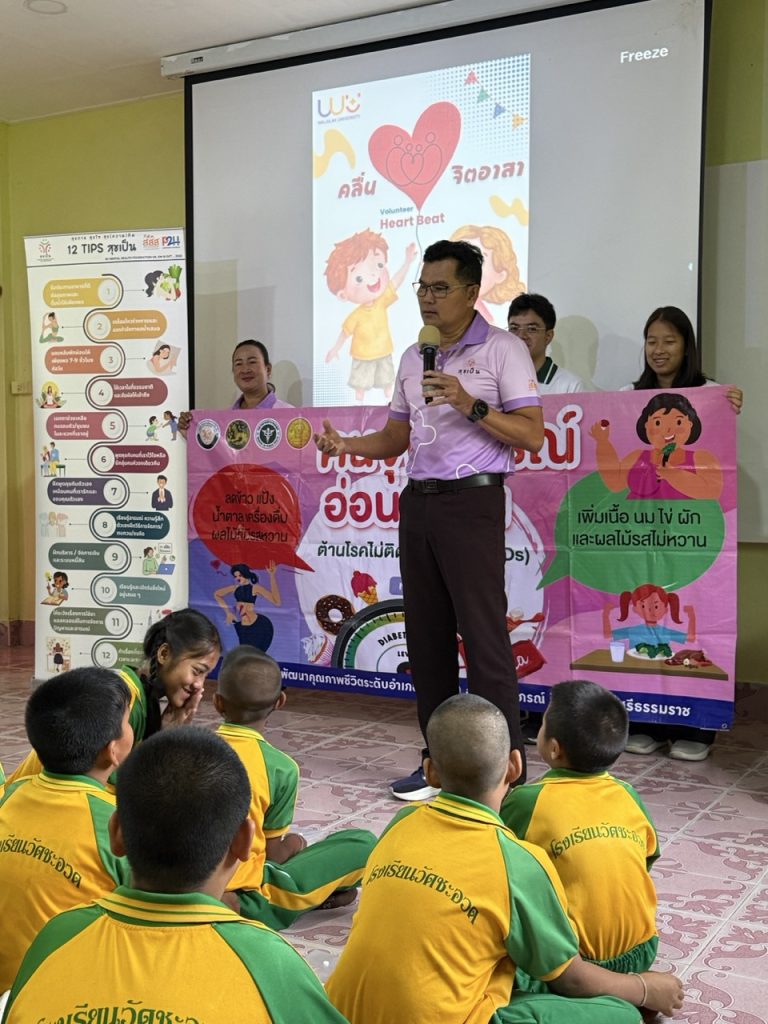
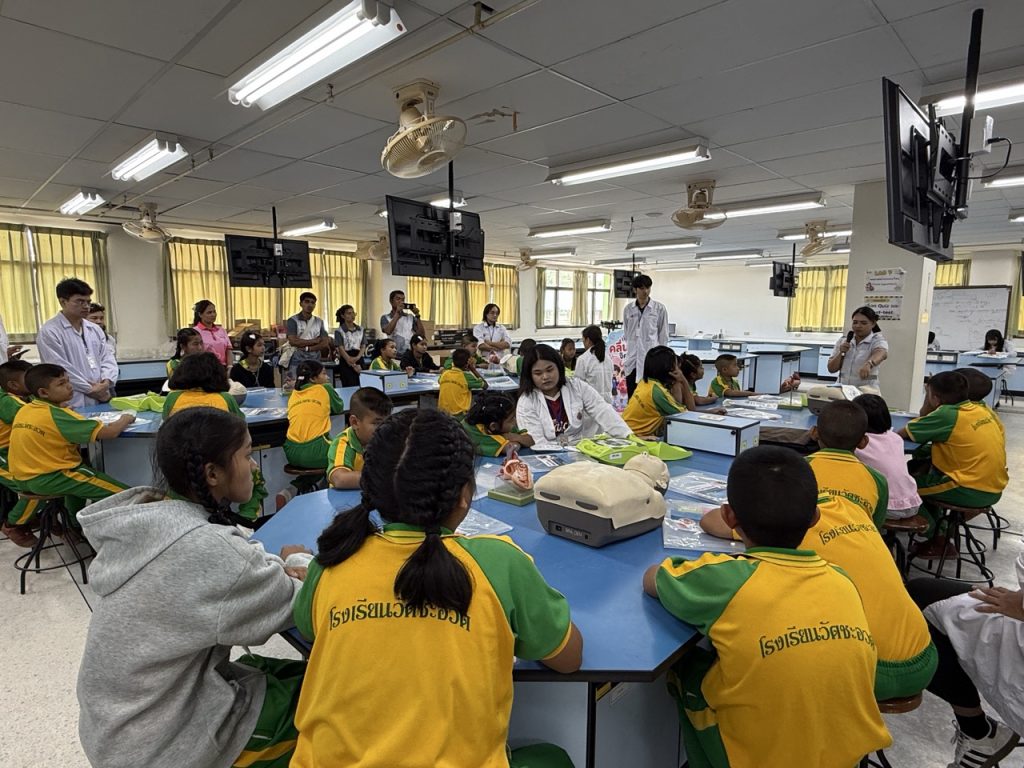
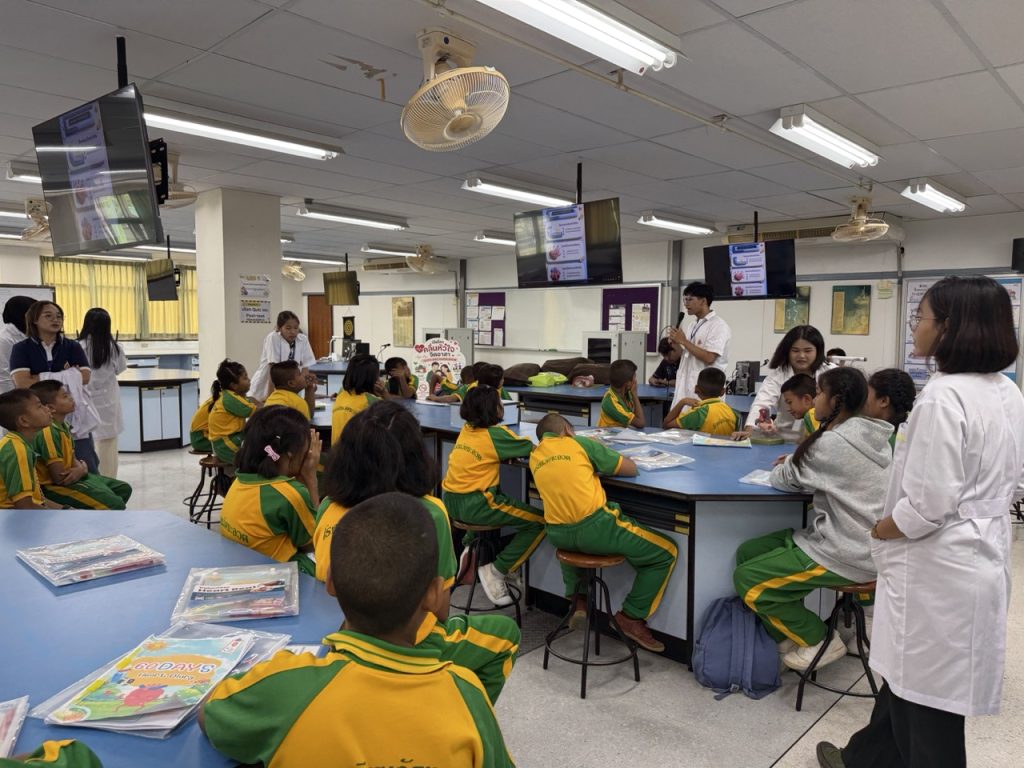
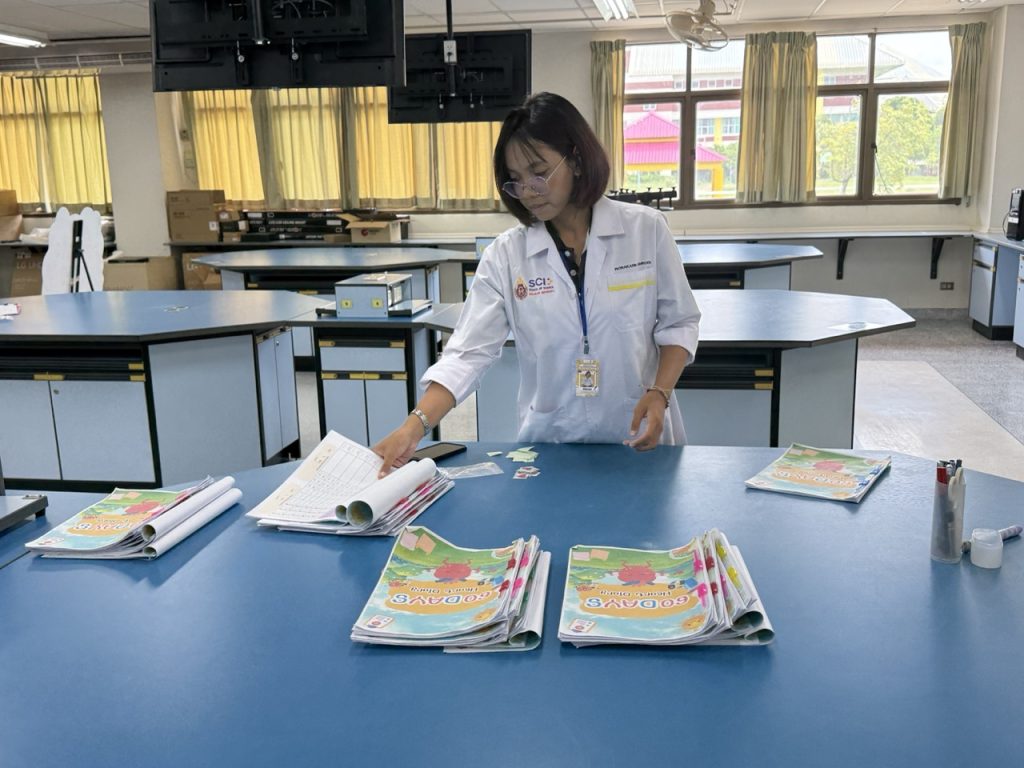
On 5 August 2026, at Wat Cha-uat School, students learned about the structure and physiology of the heart and blood vessels through activities and learning materials designed by WU students enrolled in the course. The activities were designed to make scientific concepts accessible to young learners and to connect cardiovascular science with everyday health practices.

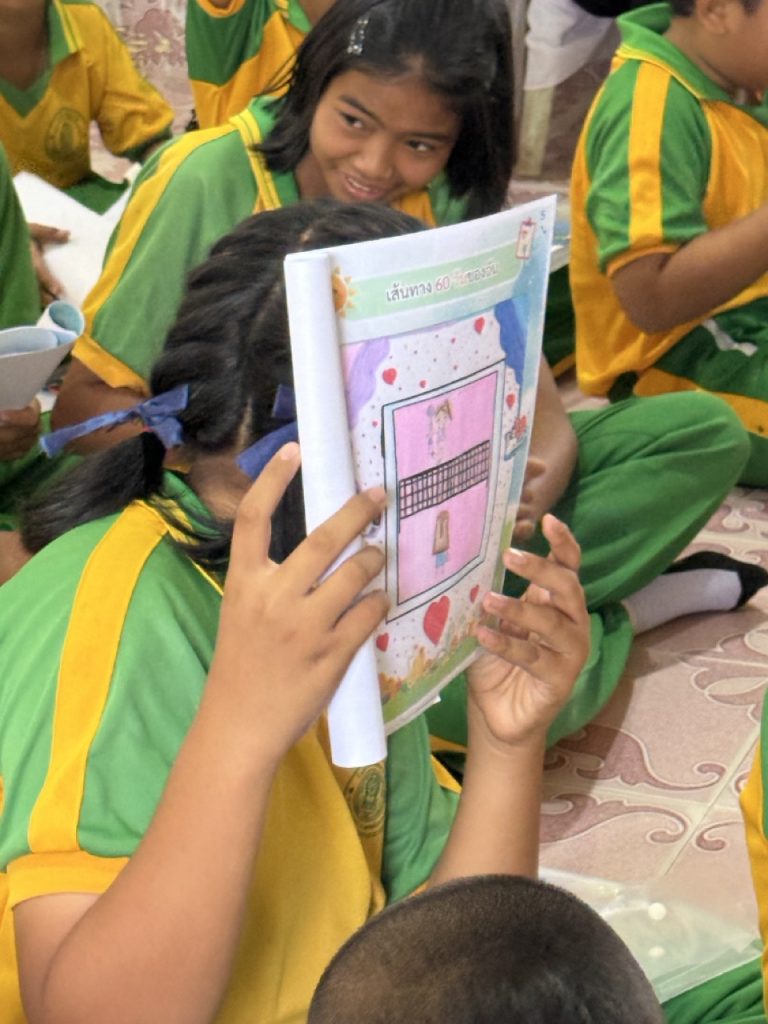
The learning materials also included a 60-day health diary, through which participating students record basic information related to their own and their parents’ physical health, mental well-being, and nutrition. This activity encourages young learners to continuously observe health behaviors within their families and apply knowledge gained from the project to their daily lives.

Heart 1
Heart 2
Heart 3
Heart 4
Heart 5

Figure 1. Learning activities on cardiovascular physiology held on 5 August 2026 at Wat Cha-uat School.

Session 2: Learning Heart-Healthy Nutrition through Hands-on Activities

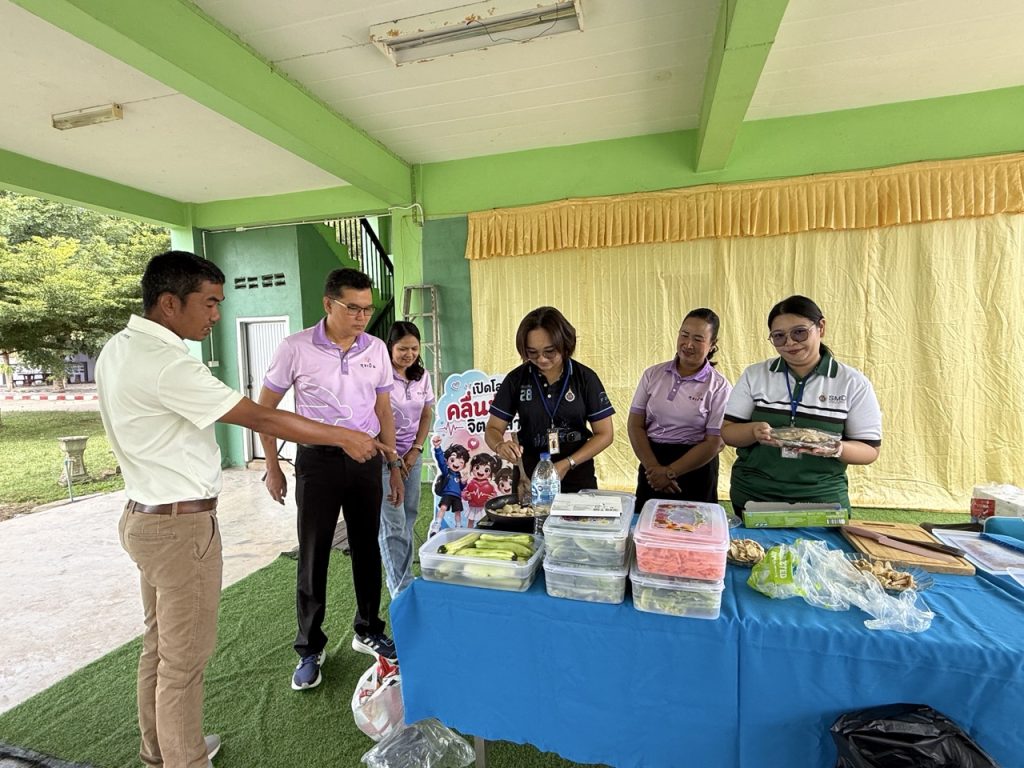
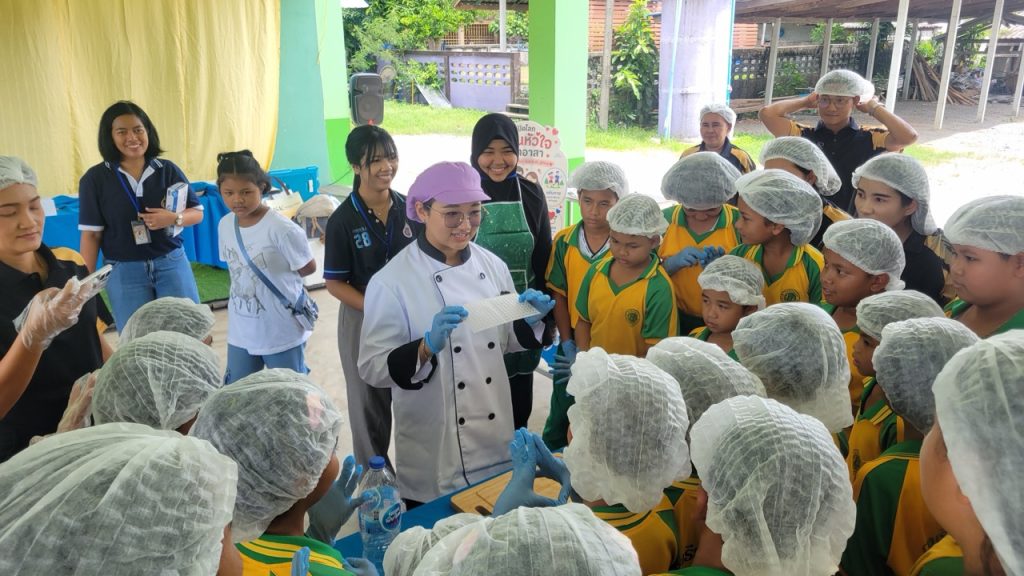
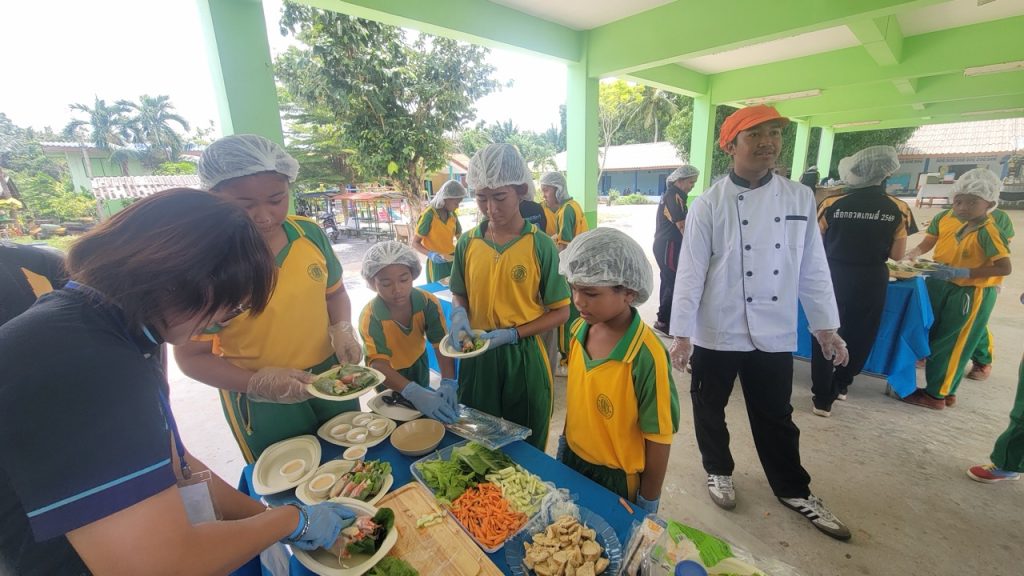
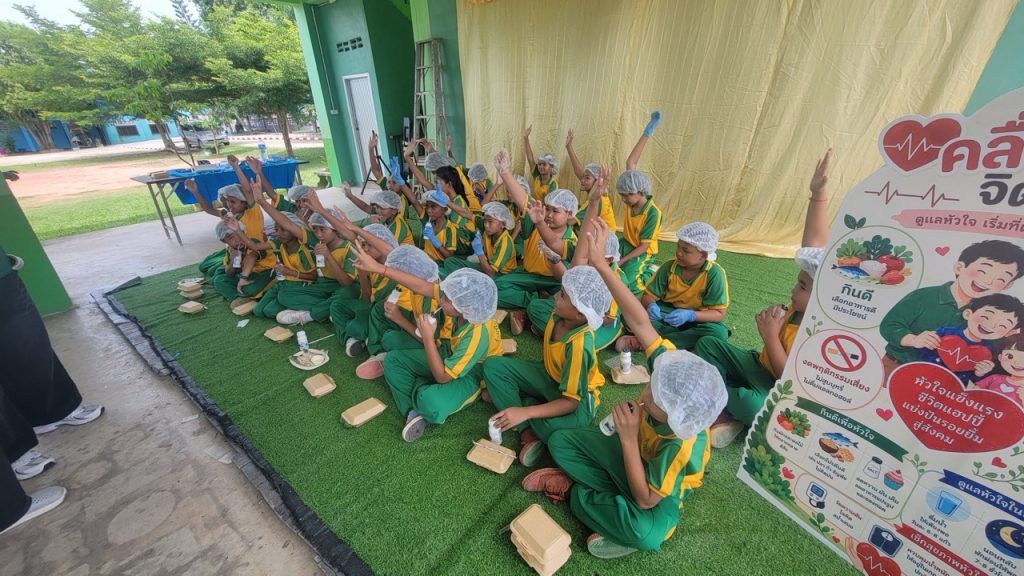
On 8 August 2026, at Wat Cha-uat School, students participated in activities designed to build an understanding of nutrition for cardiovascular health. They learned principles of healthy food selection and prepared healthy salad rolls, enabling them to connect knowledge about nutrients with everyday food choices.

The session emphasized hands-on learning, helping students recognize that maintaining a healthy heart can begin with simple daily behaviors, particularly choosing nutritious and appropriate foods.

Heart 6
Heart 8
Heart 11
Heart 10

Figure 2. Students preparing “healthy salad rolls” as part of a hands-on activity on nutrition for cardiovascular health, held on 8 August 2026 at Wat Cha-uat School.

Session 3: Exploring Science and Lifesaving Skills at Walailak University

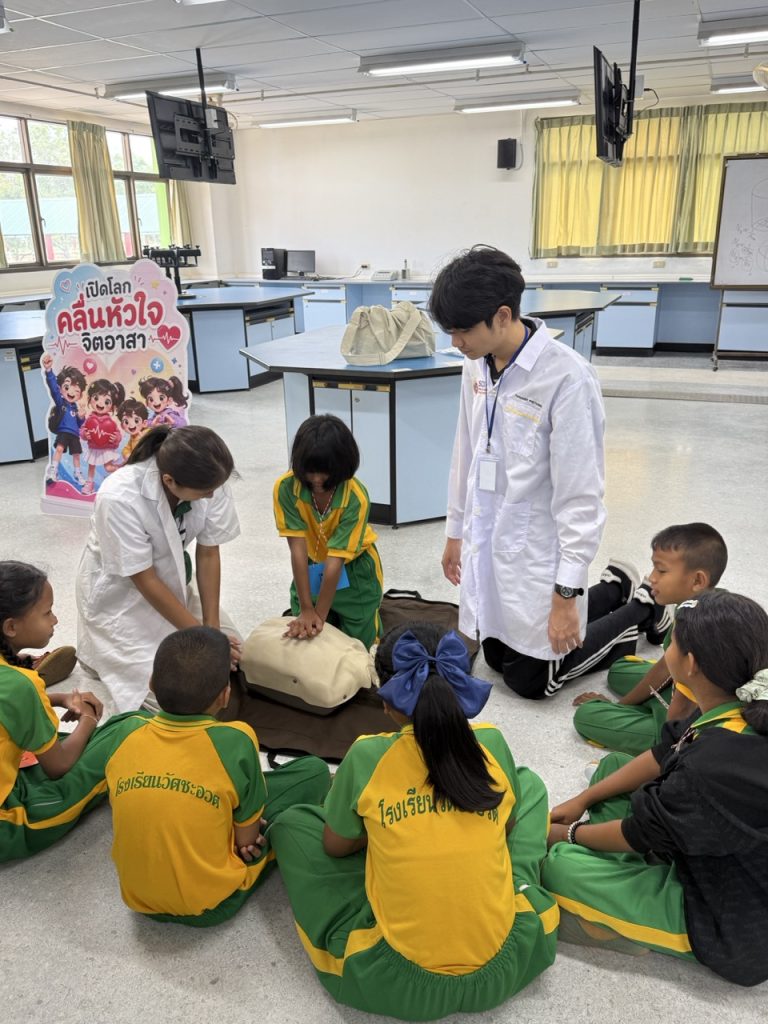
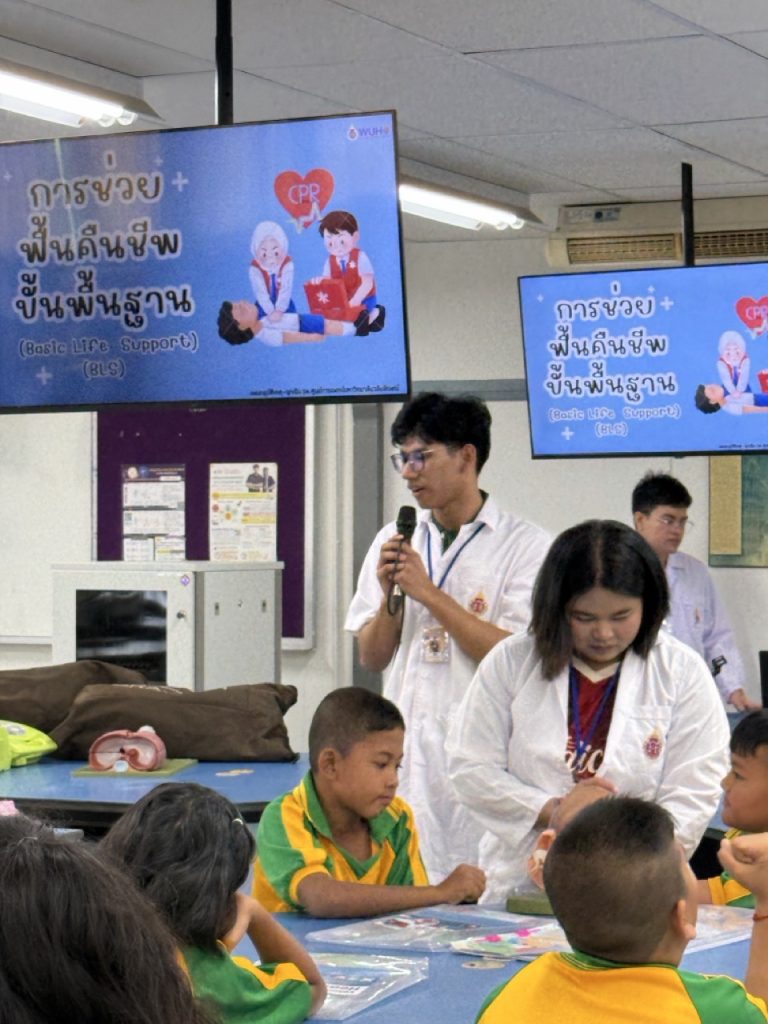
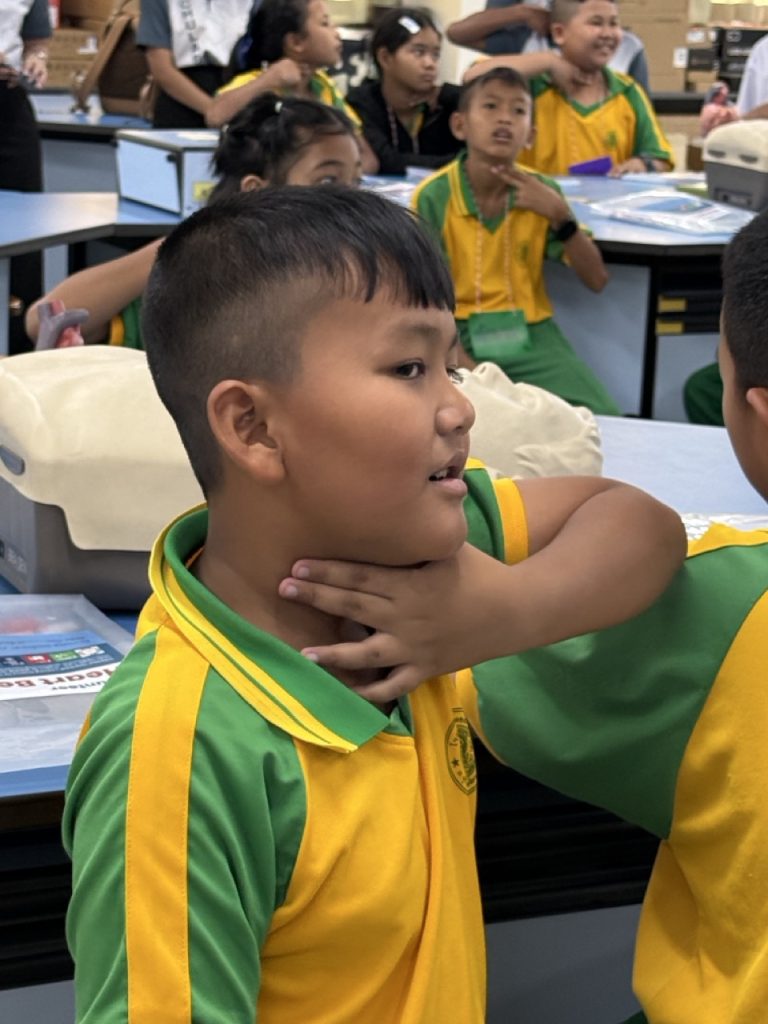
On 15 August 2026, participating students visited Walailak University for hands-on learning activities related to cardiovascular physiology at the Center for Scientific and Technological Equipment. They also received basic training in cardiopulmonary resuscitation (CPR) with support from instructors and healthcare personnel from Walailak University Hospital.

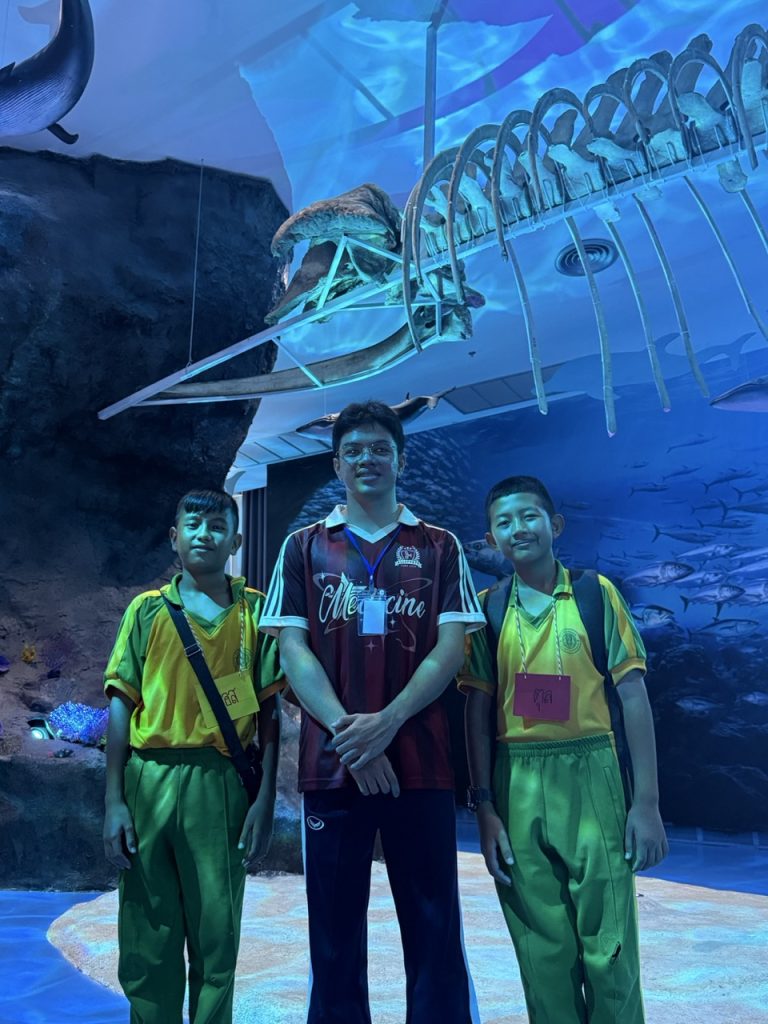
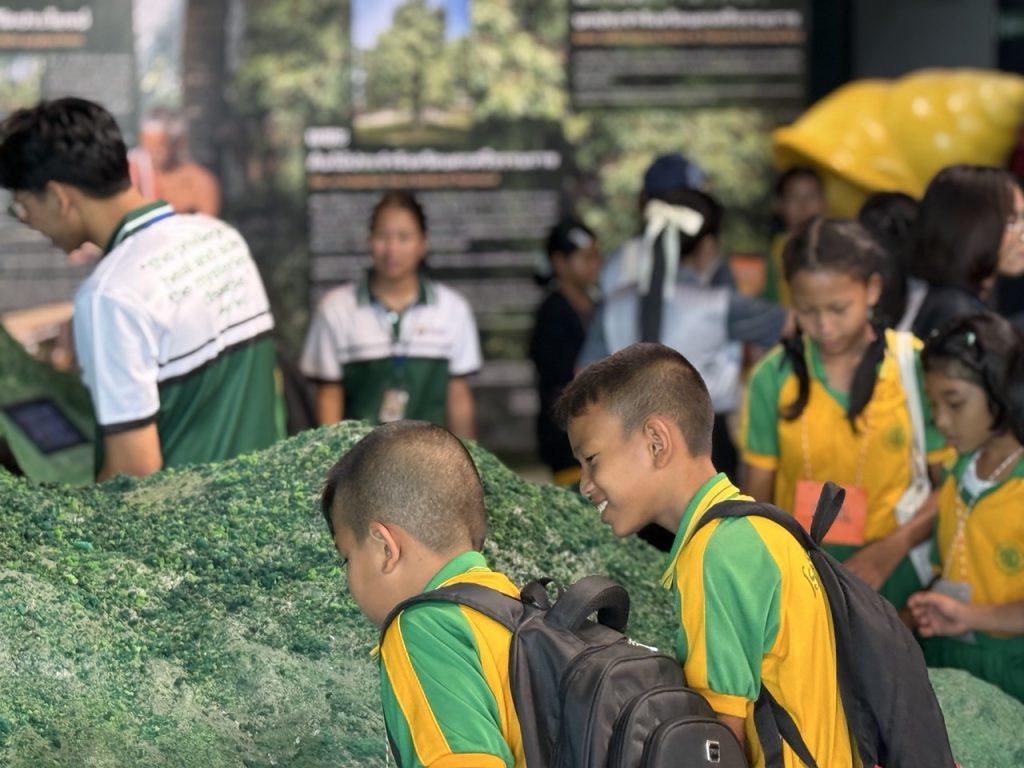
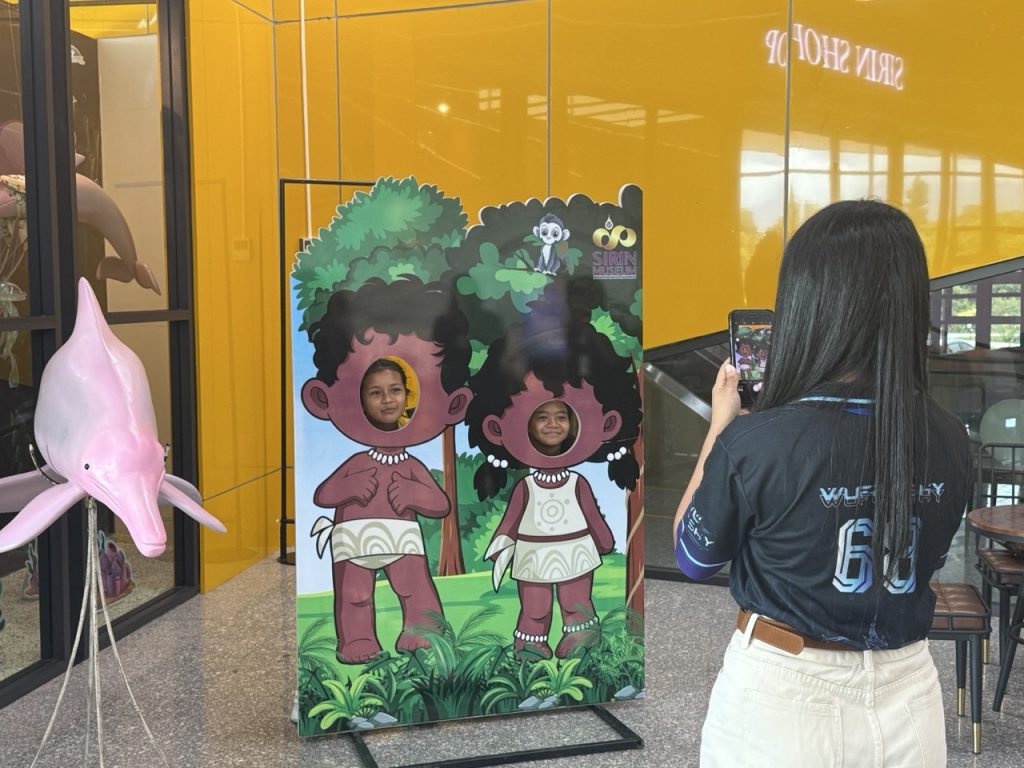
Beyond health-related learning, the students visited the SIRIN MUSEUM at Walailak University, where they explored nature and the diversity of natural resources in Nakhon Si Thammarat Province. The visit was designed to broaden their learning experience and stimulate interest in science and technology.

Heart 15
Heart 17
Heart 19
Heart 14
Heart 16
Heart 18
Heart 20

Figure 3. Hands-on cardiovascular activities, CPR training, and educational visits at Walailak University on 15 August 2026.

Final Session: Bringing the “Cardiovascular Health Exhibition” to the Community

The exhibition will include basic health screening services, such as blood pressure measurement and blood glucose testing, together with educational activities on cardiovascular health. A healthy food menu competition will also be organized, with students and their parents working together to prepare healthy dishes. This activity is intended to extend learning beyond the participating students to their families.

Certificates will also be presented to students who have completed the project in recognition of their participation and to encourage them to continue applying and sharing the knowledge and experiences gained through the activities.

Rather than serving merely as the conclusion of the project, the final event is intended to mark the beginning of a network of young health volunteers who can apply scientific knowledge to promote cardiovascular health among themselves, their families, and those around them, while contributing to greater community awareness of cardiovascular disease prevention.

From the Classroom to the Community: Connecting Learning with Sustainable Development

The “Heart Waves, Volunteer Hearts: Learning Science for Community Heart Health” project demonstrates the integration of the university’s educational and academic service missions. It brings together university students, school students, families, schools, healthcare providers, and the university to collectively foster a community that is knowledgeable about and actively engaged in health promotion.

The project contributes directly to the United Nations Sustainable Development Goals (SDGs), particularly:


SDG 3: Good Health and Well-being — by promoting health knowledge and healthy behaviors, supporting cardiovascular disease prevention, and strengthening health awareness among individuals, families, and communities.

SDG 4: Quality Education — by providing science learning connected to real-life contexts, promoting hands-on and experiential learning, and developing university students’ ability to communicate and apply scientific knowledge for the benefit of society.

SDG 17: Partnerships for the Goals — by strengthening collaboration among Walailak University, OPS, Wat Cha-uat School, Ban Cha-uat Subdistrict Health Promoting Hospital, Walailak University Medical Center, and other partners involved in implementing the activities.

This collaboration highlights the university’s role in bringing scientific and health knowledge from the classroom into the community, while providing university students with authentic learning experiences through community engagement. At the same time, the project empowers young learners to become active contributors who can share knowledge, encourage healthier behaviors, and promote cardiovascular health within their families and communities—laying a foundation for healthier, stronger, and more sustainable communities.